NTSB Details Investigation into Fatal Amazon Prime Air Crash
The NTSB has provided its first update on the crash of an Amazon Prime Air Boeing 767 cargo jet at Miami International Airport, which killed five people on
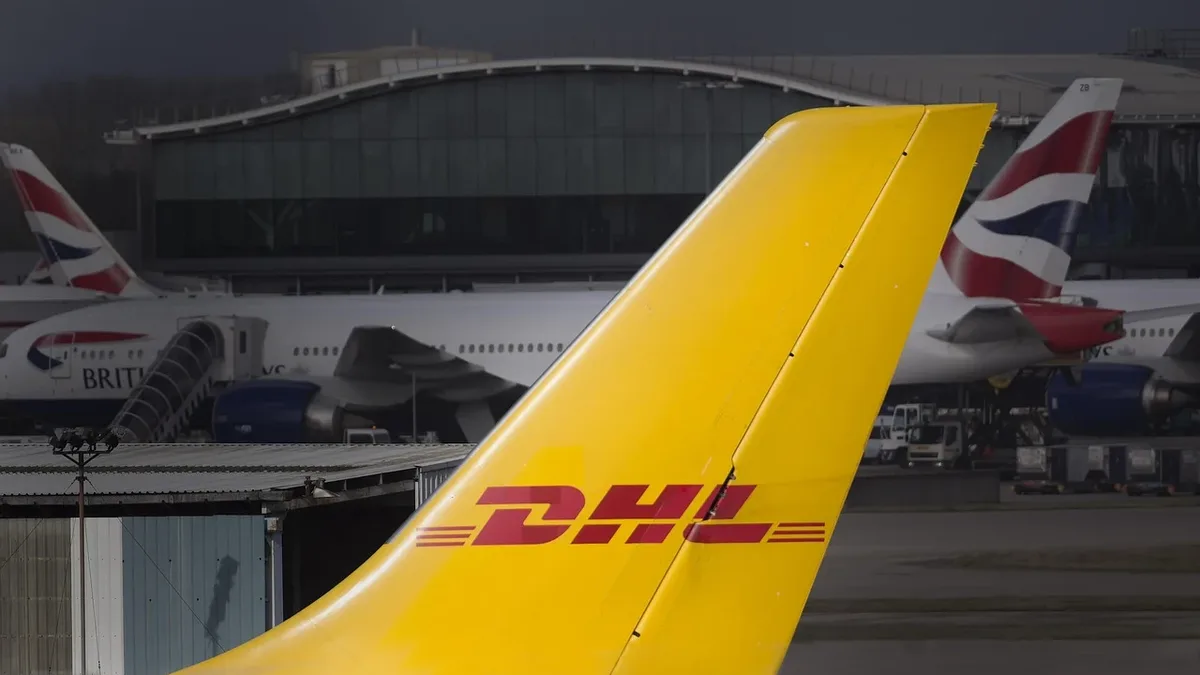
The National Transportation Safety Board (NTSB) held its first briefing on Monday regarding a fatal Amazon Prime Air cargo jet crash at Miami International Airport (KMIA) on Sunday. The Boeing 767-33A, operated by Miami-based 21 Air, overran the runway, striking two vehicles and killing five people on the ground.
NTSB Chairwoman Jennifer Homendy described the scene as "utter devastation," with debris from the aircraft and vehicles spread "everywhere." Investigative teams have recovered the flight data recorder and cockpit voice recorder. However, they have not yet been able to fully access the aircraft itself due to ongoing victim recovery operations and hazardous conditions at the site.
Key Investigative Areas
The NTSB outlined several key areas for its investigation. These include the aircraft's systems and performance, the actions and records of the flight crew, and safety factors at Miami International Airport. A specific focus will be on the runway overrun area and the absence of an Engineering Materials Arrestor System (EMAS), a safety feature designed to stop aircraft that overrun.
Homendy emphasized that the investigation will examine all operational aspects. This includes the roles of the operators and flight crews involved in the accident. The board will also review safety protocols and measures at the airport to determine if any contributed to the severity of the outcome.
Aircraft and Operator Details
The aircraft involved was a Boeing 767-33A cargo jet. It was operating under the Amazon Prime Air brand but was flown by the cargo airline 21 Air, which is based in Miami. The NTSB confirmed the aircraft's identity and its operator as part of the initial factual gathering phase.
The investigation into the flight crew will cover their training, experience, and rest periods. Investigators will also look at communications between the crew and air traffic control in the moments leading up to the accident. The recovered recorders are expected to provide key data on the aircraft's final moments.
Airport Safety Factors
A significant point of inquiry is the runway's safety infrastructure. The runway from which the aircraft departed lacked an EMAS. This system uses crushable material placed at the end of a runway to safely decelerate an aircraft that overruns. Its absence is now a key part of the NTSB's examination of the crash site and airport procedures.
The board will assess whether the presence of such a system could have mitigated the accident's consequences. This review extends to overall airport safety measures and their implementation during the time of the incident.
Next Steps for the Investigation
The NTSB's investigative team remains on site. Their immediate tasks include completing the victim recovery process, which is the priority, and then gaining safe access to the wreckage for a detailed examination. The data from the flight recorders will be analyzed at the NTSB's laboratories in Washington, D.C.
Homendy stated that the investigation is in its earliest stages, and it is too soon to determine a cause. The process will be thorough and methodical, following standard NTSB procedures for a major accident. The board plans to provide further updates as the investigation progresses and more information becomes available.