Amprius Unveils 500 Wh/kg Drone Battery Cell
Amprius Technologies has announced a new 500 watt-hour per kilogram silicon-anode battery cell for drones, aiming for commercial availability in late 2026

Amprius Technologies has introduced a new silicon-anode battery cell designed for long-endurance uncrewed aircraft. The company states its second-generation SiCore cell delivers 500 watt-hours per kilogram at a continuous discharge rate.
Amprius expects to make the cell commercially available in the fourth quarter of 2026. It plans to offer both customer-specific formats and a standard pouch format tailored for small drone systems.
A Path to Volume Production
Previous Amprius cells reached similar energy densities but relied on specialized processes that never achieved large-scale commercial production. The new SiCore platform is engineered to deliver 500 Wh/kg using conventional lithium-ion manufacturing equipment and cell formats.
This design aims to let aviation customers qualify the cell with confidence in a scalable and cost-effective production path. "By achieving that performance level on conventional manufacturing equipment, our aviation customers can qualify this cell knowing that we have designed a cost-effective, scalable path to volume behind it," said Dr. Ionel Stefan, CTO of Amprius Technologies.
The company will begin initial production at its facility in Fremont, California, before expanding volume through existing global manufacturing partners. Customers will still need to qualify the cells for their specific aircraft and operational requirements.
Targeting Long-Endurance Applications
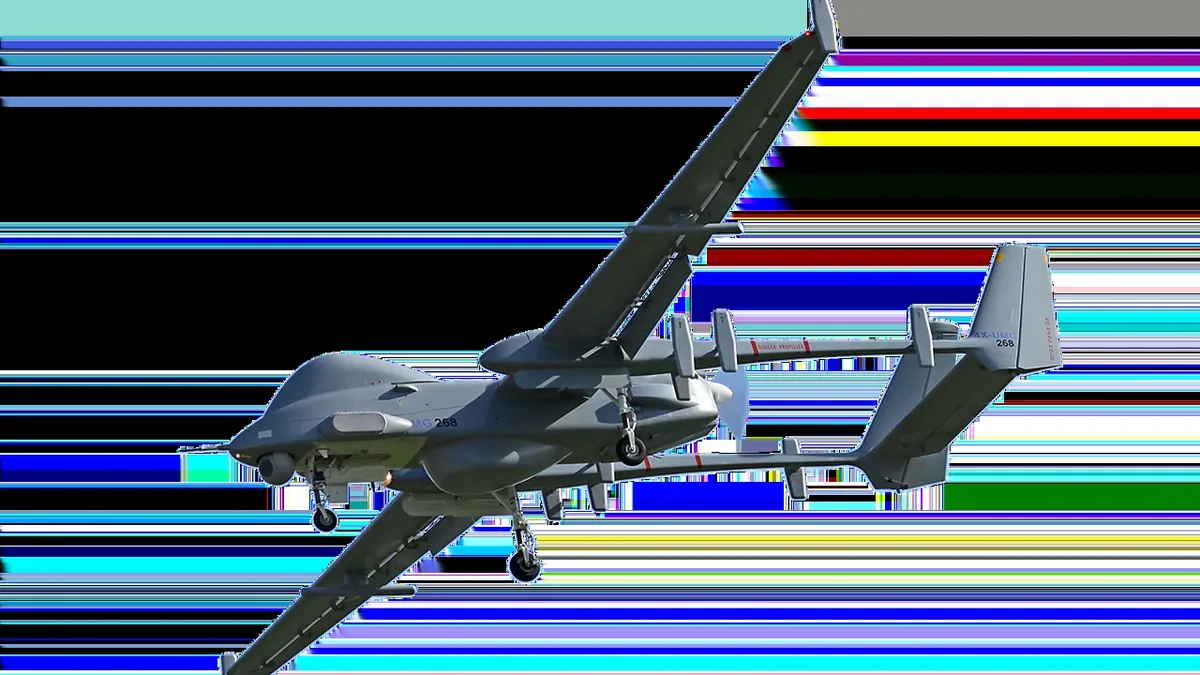
The cell is optimized for sustained, low-rate discharge. Target applications include fixed-wing drones and High-Altitude Platform Stations (HAPS), which are aircraft designed for persistent flight in the stratosphere.
Battery weight is critical for these platforms. Solar-powered aircraft need to store enough energy from daytime operations to fly through the night. Lighter-than-air vehicles also require stored power for propulsion and maintaining position.
Amprius has been a battery supplier to AALTO HAPS, an Airbus subsidiary, since 2018. AALTO develops the solar-electric Zephyr aircraft for connectivity and Earth observation. The company reported a 2025 Zephyr flight set an endurance record exceeding 67 days.
"Energy density is fundamental to Zephyr’s endurance," said Pierre-Antoine Aubourg, COO at AALTO HAPS. He noted that continued gains in specific energy can extend flight duration and expand mission capabilities.
Specifications and Industry Context
Amprius plans to offer the new cell in the small UAS pouch format defined by the SAE JA1016 standard. The announcement highlights the aviation battery sector's ongoing effort to marry higher energy density with practical manufacturing.
For drone manufacturers, the ultimate value of the SiCore500 cell will hinge on production-scale performance, safety, cycle life, cost, and successful integration into airframes. Amprius anticipates customers will begin evaluating these factors when the cell becomes available for sampling later this year.
The report comes from DRONELIFE.