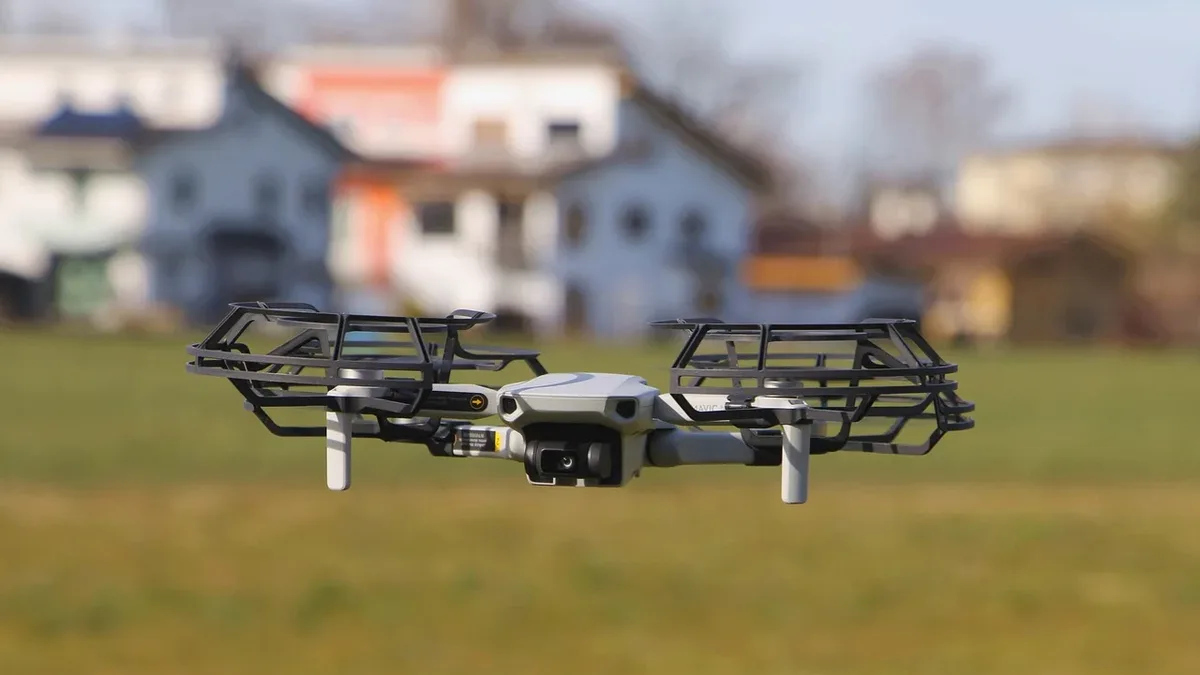
DJI Challenges FCC's Proposed 'Military-Grade' Drone Ban
DJI has filed a formal response opposing the FCC's proposal to ban drones with certain capabilities, arguing the rules are unfounded and would harm
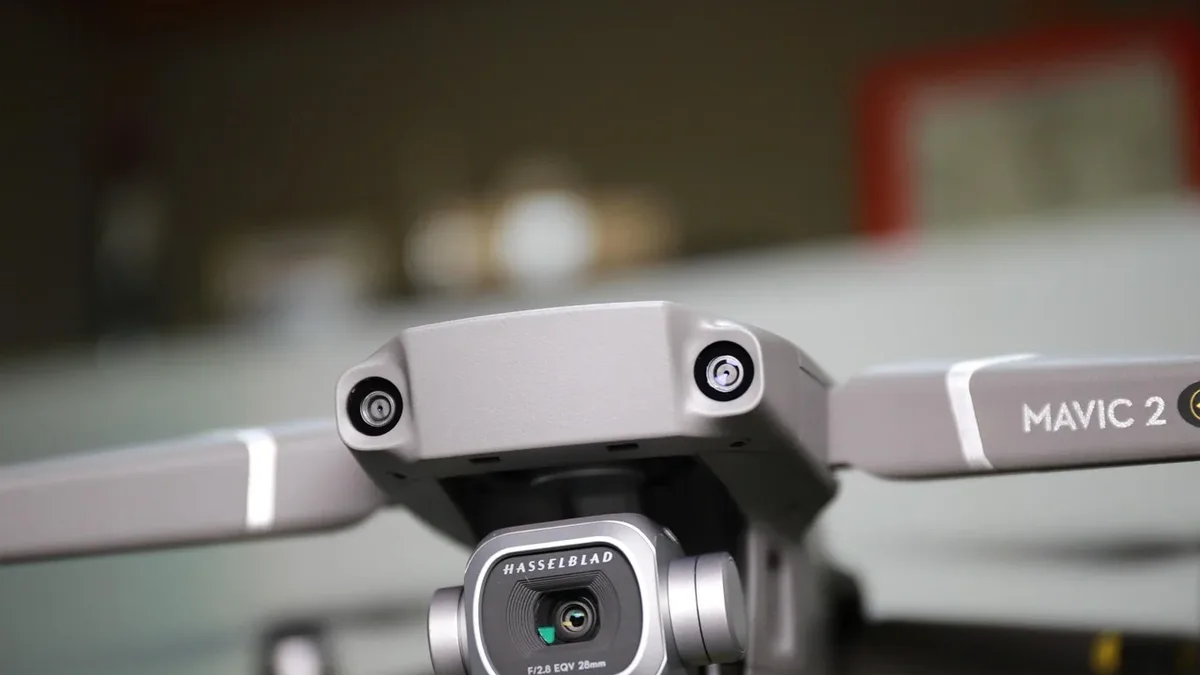
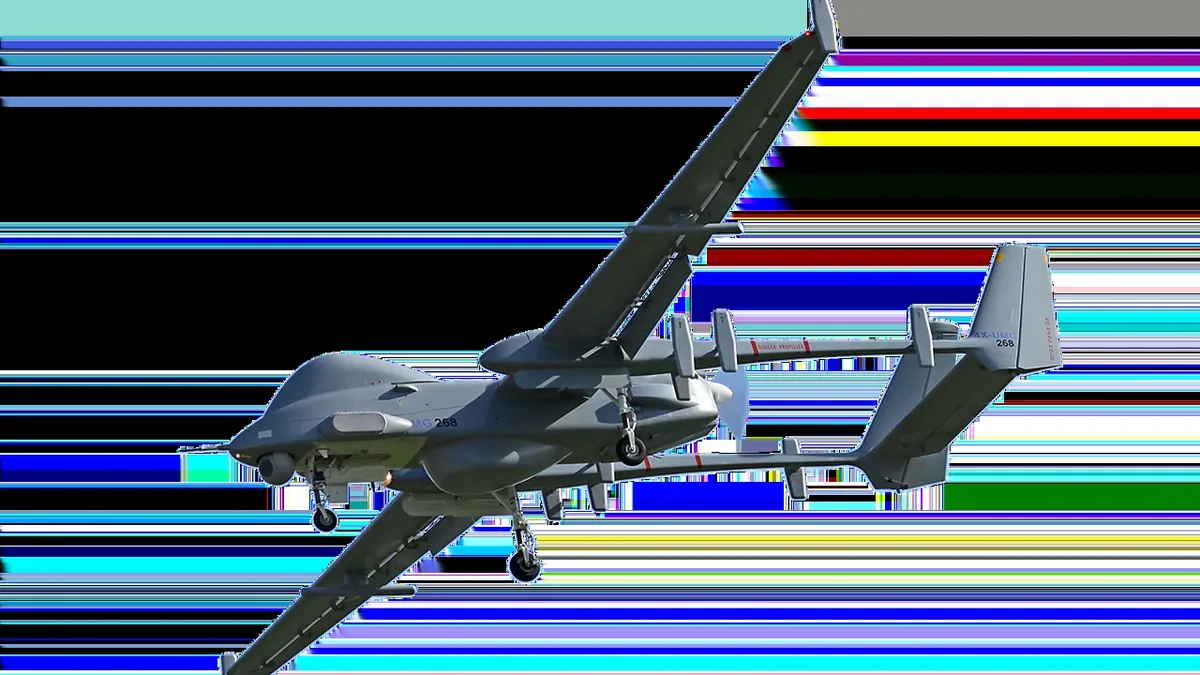
DJI has formally opposed a Federal Communications Commission proposal that could ban the import and sale of many of its drones in the United States. The FCC's plan targets drones with capabilities like thermal cameras and LiDAR, labeling them as "military-grade."
In a 26-page filing, the Chinese drone manufacturer argues the proposal is legally flawed and would cause widespread disruption. The public comment period for the rule has closed after receiving nearly 4,000 submissions from pilots, businesses, and public safety agencies.
DJI Accuses FCC of Inventing a Category
The company's core argument is that the FCC lacks a legal basis for its action. DJI states the FCC is relying on a December 2025 National Security Determination that never actually created a "military-grade" drone category. According to the filing, FCC staff later invented the seven capability-based categories on their own.
"The seven 'military-grade' categories... Are an entirely post-hoc creation of the Bureaus," DJI writes. The company argues these categories "have no foundation" in the original national security document. This challenges not only the rule's specifics, but the FCC's authority to create it.
Civilian Uses for 'Military' Tech
DJI contends the technologies targeted are now standard in civilian and commercial operations, not exclusive to the military. The filing lists widespread applications for the features the FCC wants to restrict.
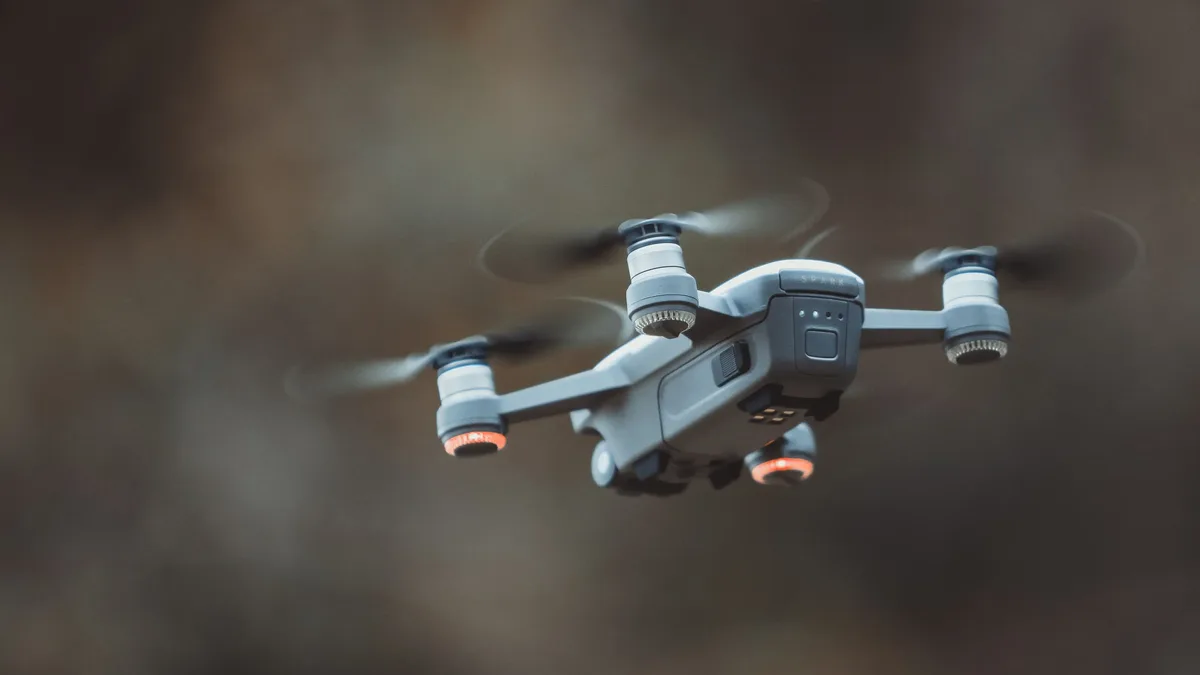
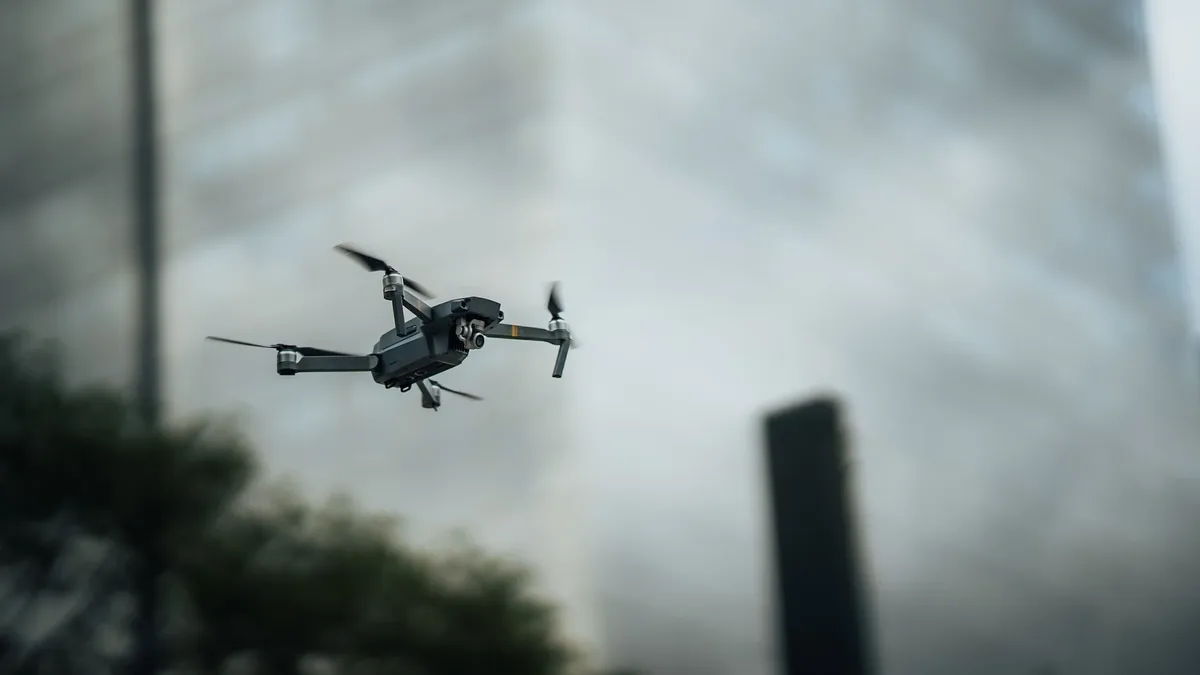
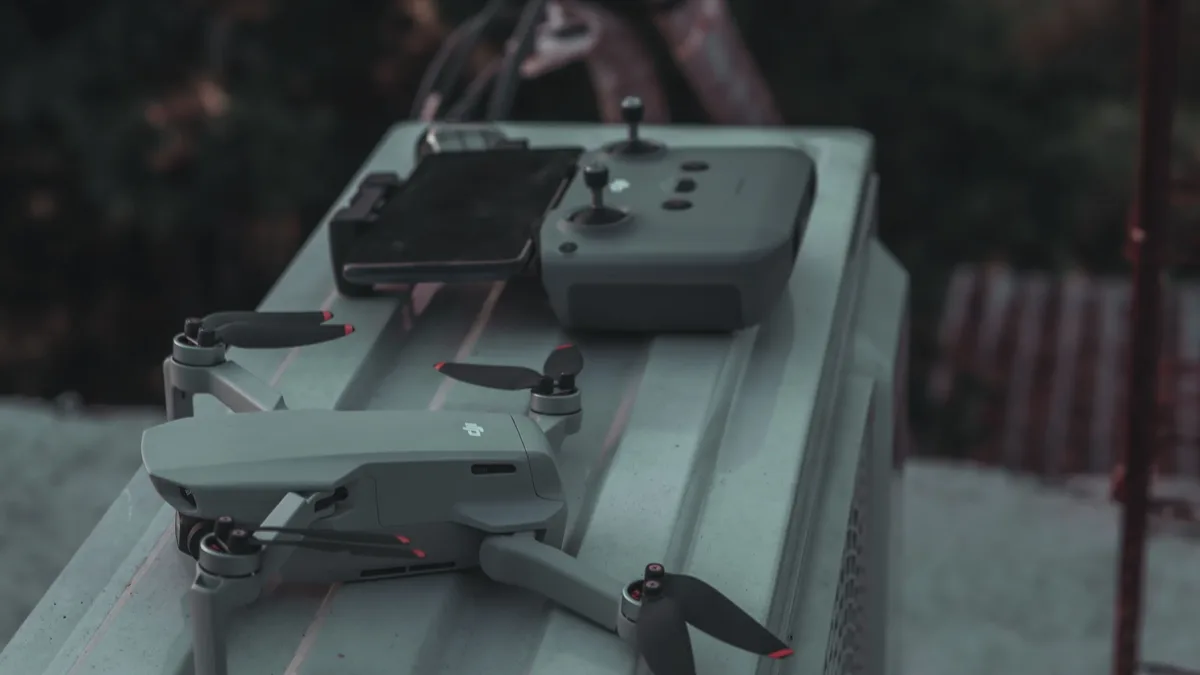
Features like LiDAR-assisted obstacle sensing appear on consumer models such as the DJI Mini 5 Pro and Air 3S to prevent crashes, not for military operations. DJI argues the FCC is treating everyday commercial technology as if it belongs only on the battlefield.
Billions in Losses and Broad Impact
The financial stakes are high. DJI estimates the proposal would inflict "billions of dollars in losses" across the industry if existing authorizations are revoked. The company says its own losses would exceed $1.5 billion, with consequences for nearly every foreign manufacturer whose products fit the FCC's definition.
The filing shifts focus to American users who depend on this equipment. DJI lists police departments, firefighters, utility crews, farmers, and filmmakers as groups that have integrated these drones into daily operations over more than a decade. "Every one of these use cases is put at risk if the Commission moves forward with this proposal," the filing states.
DJI points to the thousands of public comments as evidence of broad reliance on the technology. Comments from law enforcement, fire departments, and infrastructure inspectors show the proposal's impact would extend far beyond military-style operations.
Rules Called Vague and Unfair
A recurring criticism is the proposal's vagueness. DJI argues the FCC never clearly defines what qualifies as "military-grade." For example, the mention of thermal imaging sensors lacks specifications for resolution or detection range that would determine if a drone is restricted.
Terms like "defense article" remain largely undefined. DJI notes the FCC even asks commenters whether its own definition is too broad or too narrow. "The Notice creates precisely the vagueness and fair-notice harm" the FCC's own regulations were designed to prevent, the company says.
The filing criticizes the FCC's process, arguing the agency "tentatively concluded" the rule would have limited impact before asking the public to provide supporting data. "An agency cannot outsource its analytical obligation to the public it proposes to regulate," DJI writes. The company says the FCC left commenters to perform the impact assessment required under its own rules.
DJI poses a practical question: if these drones pose a serious national security threat, why would the federal government still be allowed to acquire them while state and local police and fire agencies could lose access? The filing argues the FCC never explains why identical drones would be safe for one level of government but not another.
The company also highlights an inconsistency, noting the FCC acknowledges foreign-made drones dominate the recreational market while suggesting the proposal would have only limited economic consequences-a conclusion DJI says lacks analysis.
DJI is asking the FCC to withdraw the proposal entirely. If the agency moves forward, the company says any new rule should rely on product-specific findings, provide an 18-month transition, protect public safety agencies, and use objective technical standards instead of vague feature lists. The FCC will now review all submissions before making a final decision.